One of the most common questions we hear from homeowners is whether they need planning permission to install a new driveway. The answer depends on the size of the area, the type of surface, and where you live. Here's everything you need to know.
The 5m² Rule
Since 2008, the UK government introduced regulations under the Town and Country Planning (General Permitted Development) Order to manage surface water runoff from paved areas.
The key rule is straightforward:
- Under 5m²: You do not need planning permission regardless of the surface material.
- Over 5m²: You only need planning permission if the surface is impermeable (i.e., water cannot drain through it).
If you use a permeable surface — or direct rainwater runoff to a lawn, border, or soakaway within your property — you can pave any area without planning permission under permitted development rights.
What Counts as Permeable?
Permeable surfaces allow rainwater to soak through into the ground below rather than running off into the street drainage system. Common permeable driveway options include:
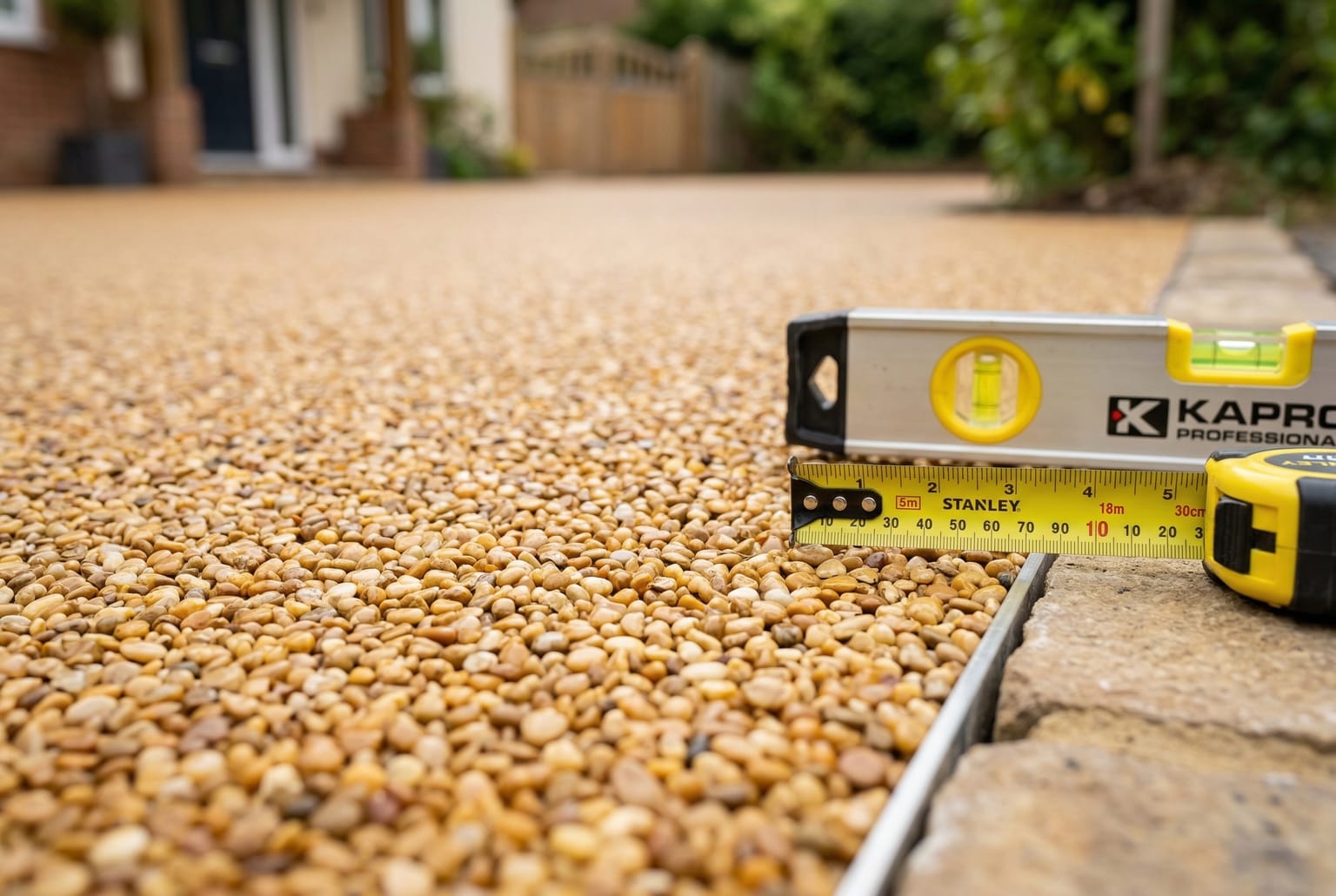
- Resin bound: Naturally porous, allowing water to drain through
- Permeable block paving: Specially designed blocks with wider joints and a porous sub-base
- Gravel: Loose gravel on a permeable membrane
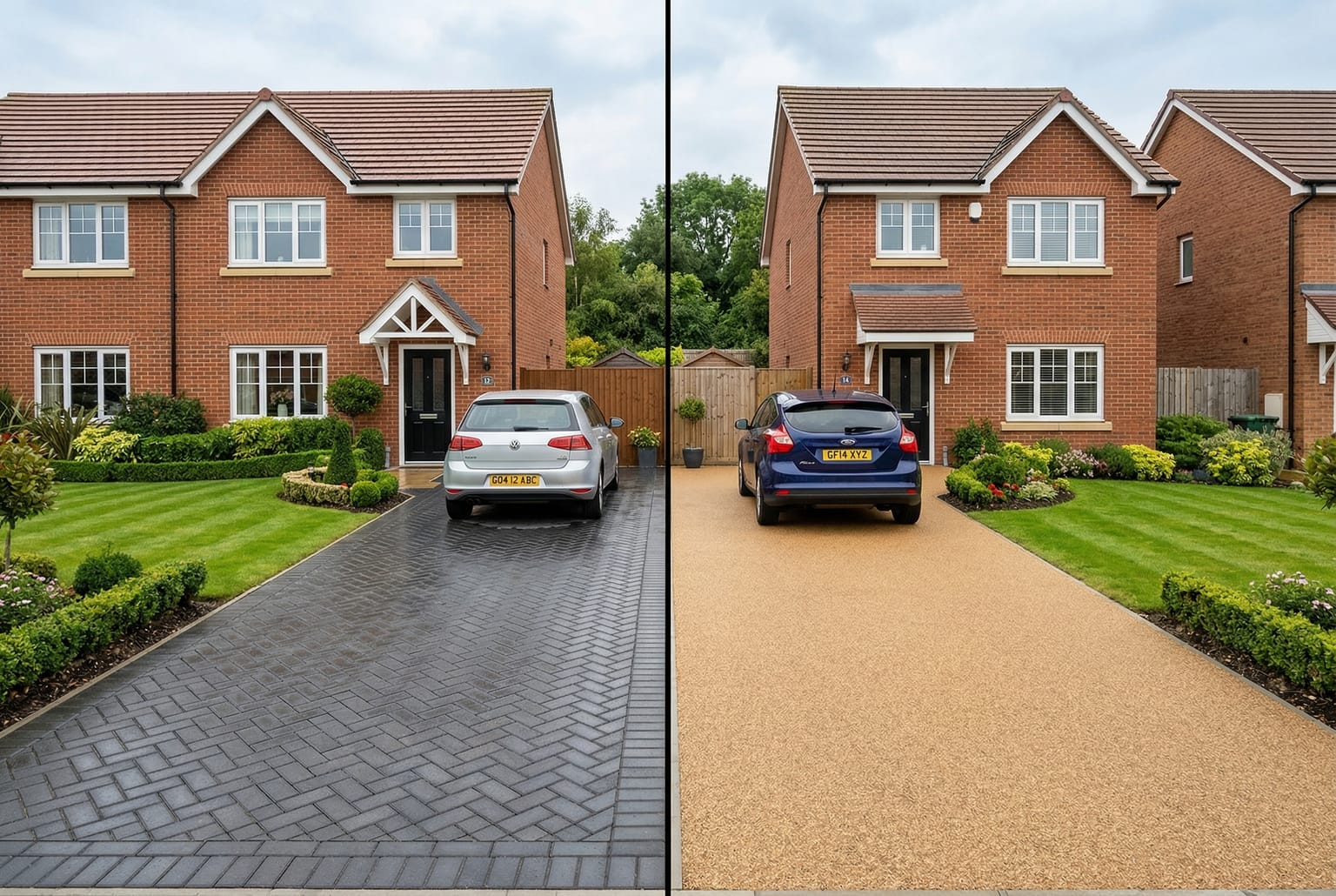
Standard tarmac, concrete, and traditional block paving with cement-filled joints are considered impermeable and will require planning permission if the area exceeds 5m².
SUDS Regulations
SUDS stands for Sustainable Urban Drainage Systems. The driveway regulations are part of a wider effort to reduce urban flooding by managing how rainwater is handled on residential properties.
When too many front gardens are paved with impermeable surfaces, rainwater overwhelms street drains and increases flood risk. Permeable driveways help by allowing water to soak into the ground naturally.
Conservation Areas and Listed Buildings
If your property is in a conservation area or is a listed building, additional restrictions may apply. You may need planning permission even for permeable surfaces, and there could be requirements around the style and colour of materials used.
Always check with your local planning authority before starting work if your property has any special designations.
Dropped Kerbs
If you're creating a new vehicle crossover (where your driveway meets the road), you'll need a dropped kerb. This is separate from driveway planning permission and typically requires:
- Permission from your local highway authority
- A fee (usually £500 – £2,000 depending on your council)
- The work to be carried out by an approved contractor
Your local council can advise on the process and costs for dropped kerb applications in your area.
When to Contact Your Local Council
We recommend contacting your council's planning department before starting work if:
- Your property is in a conservation area or is listed
- You're unsure whether your chosen surface qualifies as permeable
- You need a new dropped kerb
- Your driveway alteration affects a public right of way
- You live in a flat or maisonette (different rules may apply)
How We Can Help
All of our approved installers are fully aware of UK planning regulations and SUDS requirements. When you request a quote, your installer will advise on the best permeable options for your property and handle any necessary considerations.
Choosing a resin bound or permeable block paving driveway means you can avoid the planning permission process entirely — saving time and money.